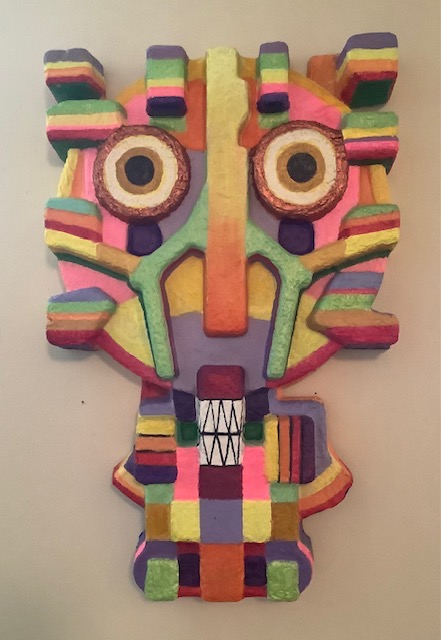
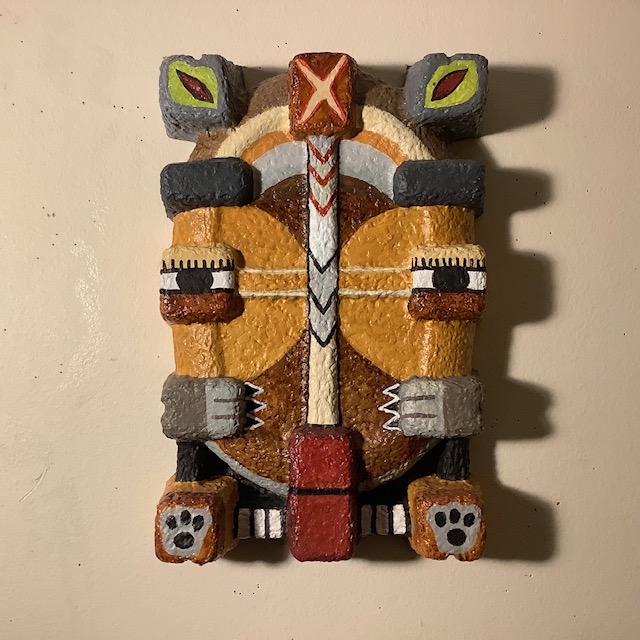
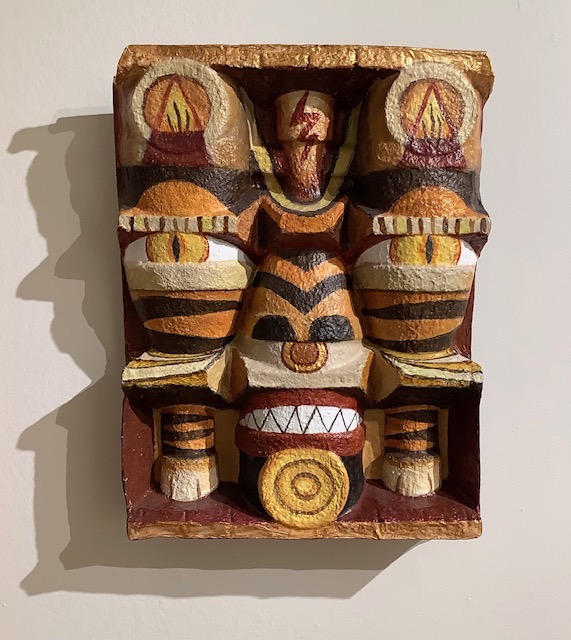
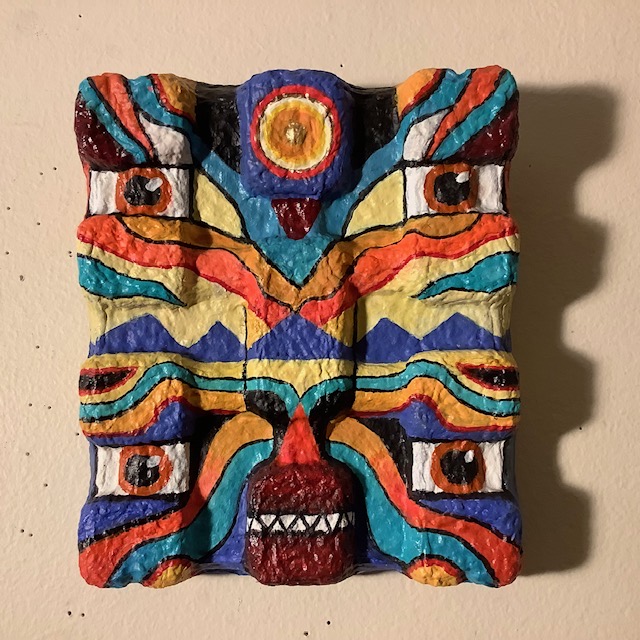
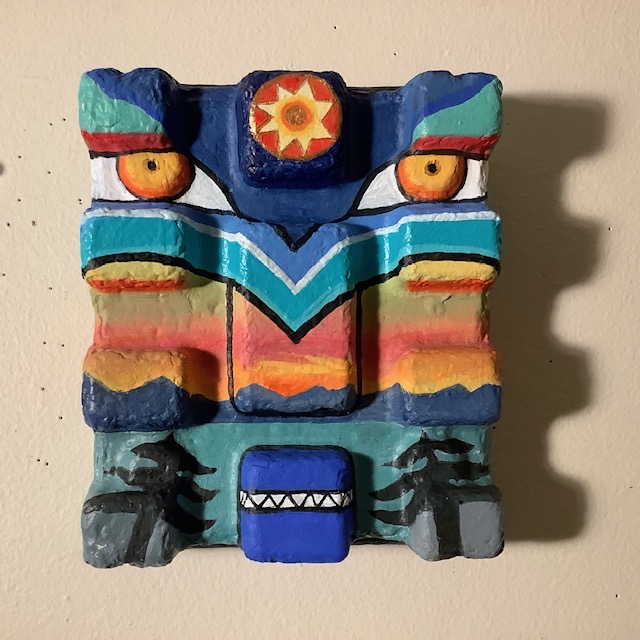
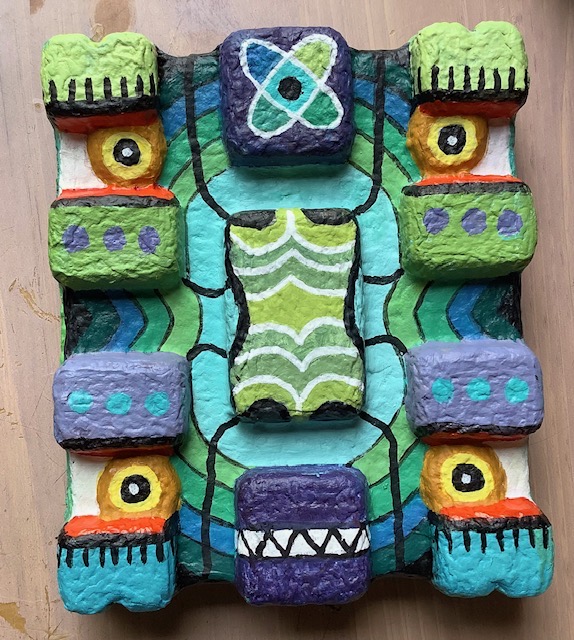
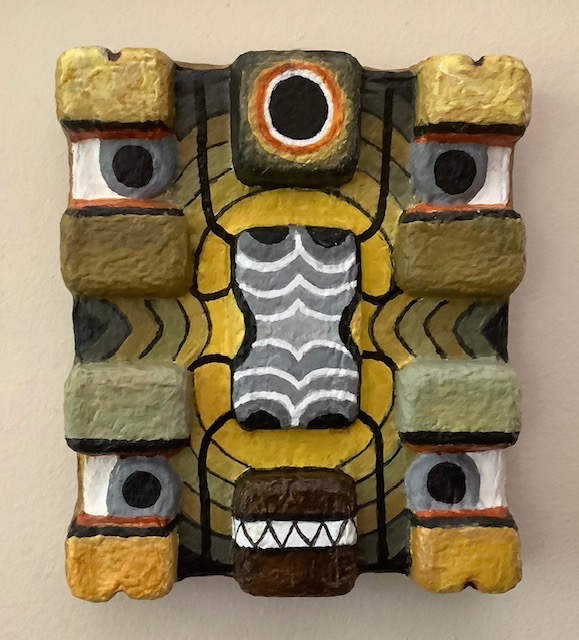
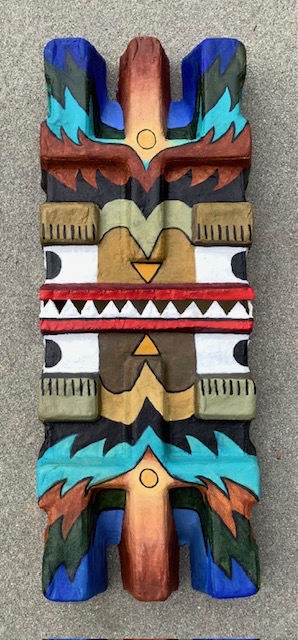
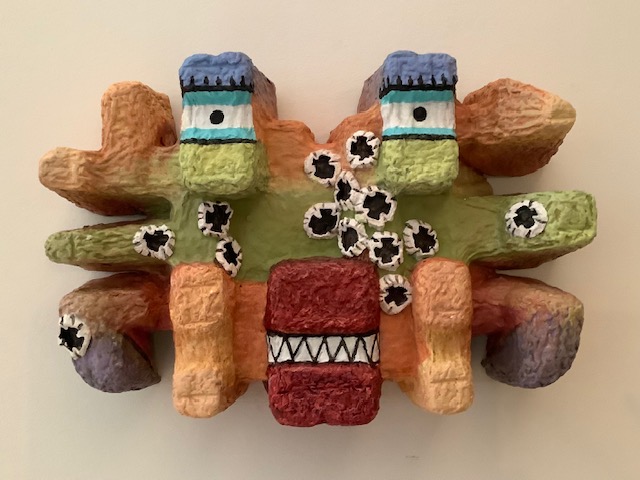
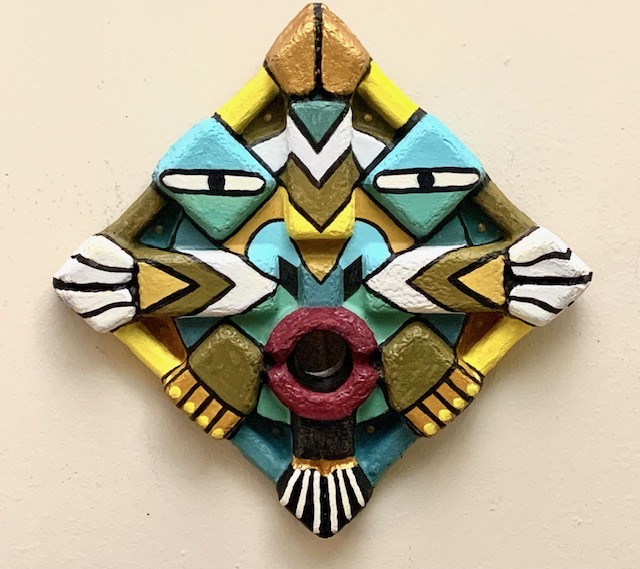
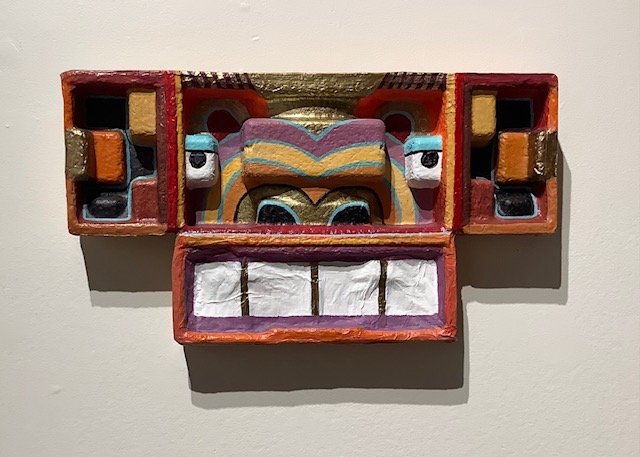
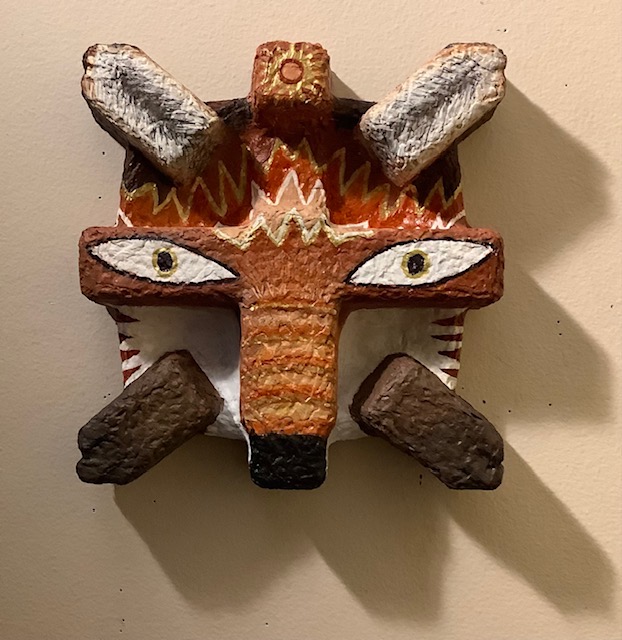
New Works by Joey Mallett and Mia Weinberg
APR 28–MAY 9, 2026
THE CULTCH GALLERY
APR 29, 2026 from 6–8 PM
This event is FREE and open to the public!
Appetizers will be served and the cash bar will be open offering alcoholic and non-alcoholic beverages, tea, coffee and snacks.
The Gallery at The Cultch invites visual artists to submit applications for possible inclusion in our gallery schedule from July 2026 through June 2027.
Phone:604-251-1363
Email: [email protected]
Summer hours*:
Monday to Friday: 12 – 4pm.
Saturday & Sunday: closed
*Door Sales & Will Call Ticket pick up: Open 1 hour prior to ticketed performances.
THE CULTCH GALLERY
1895 Venables St.
Signup for The Cultch Gallery Newsletter
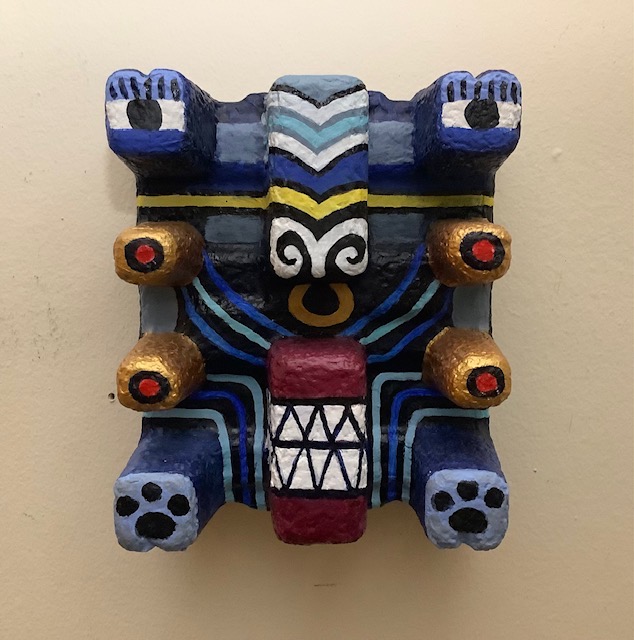
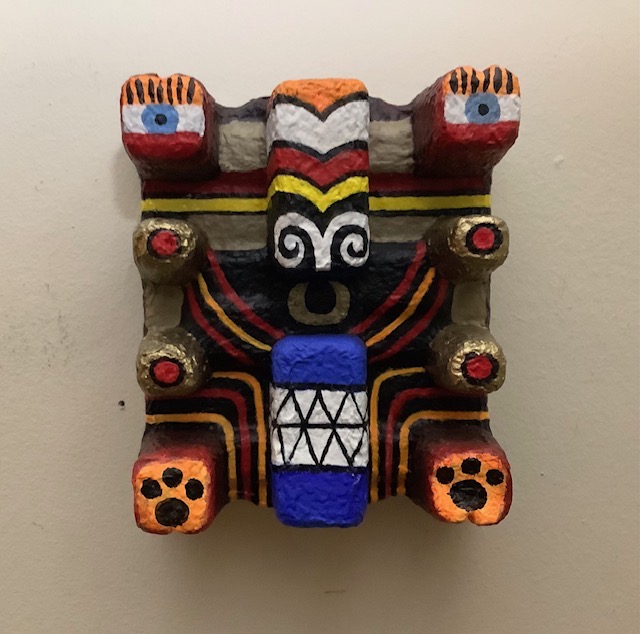
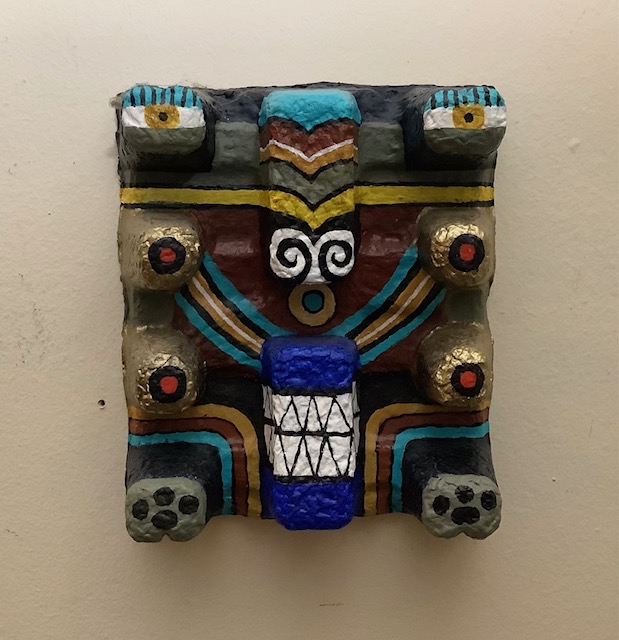
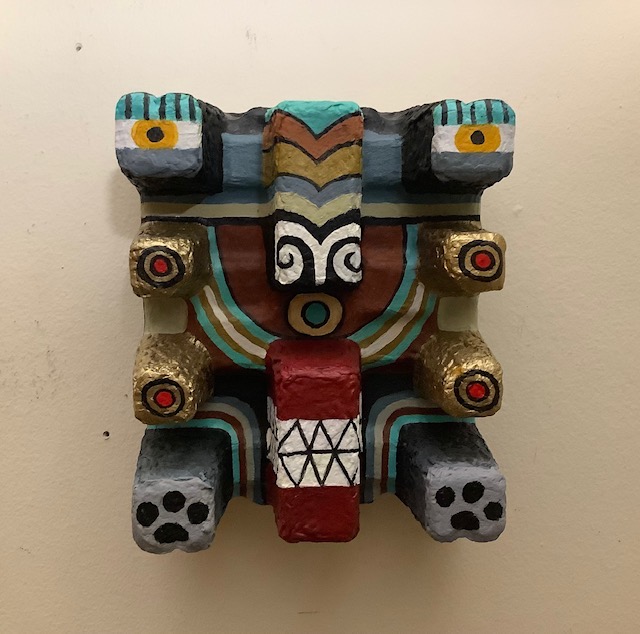
Mia Weinberg
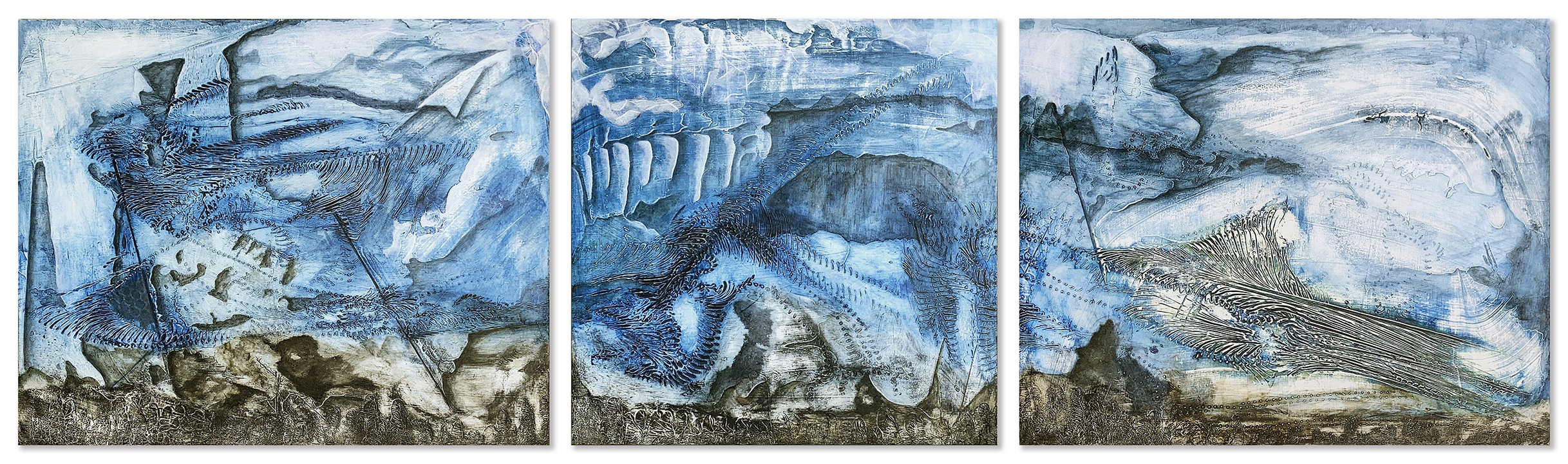
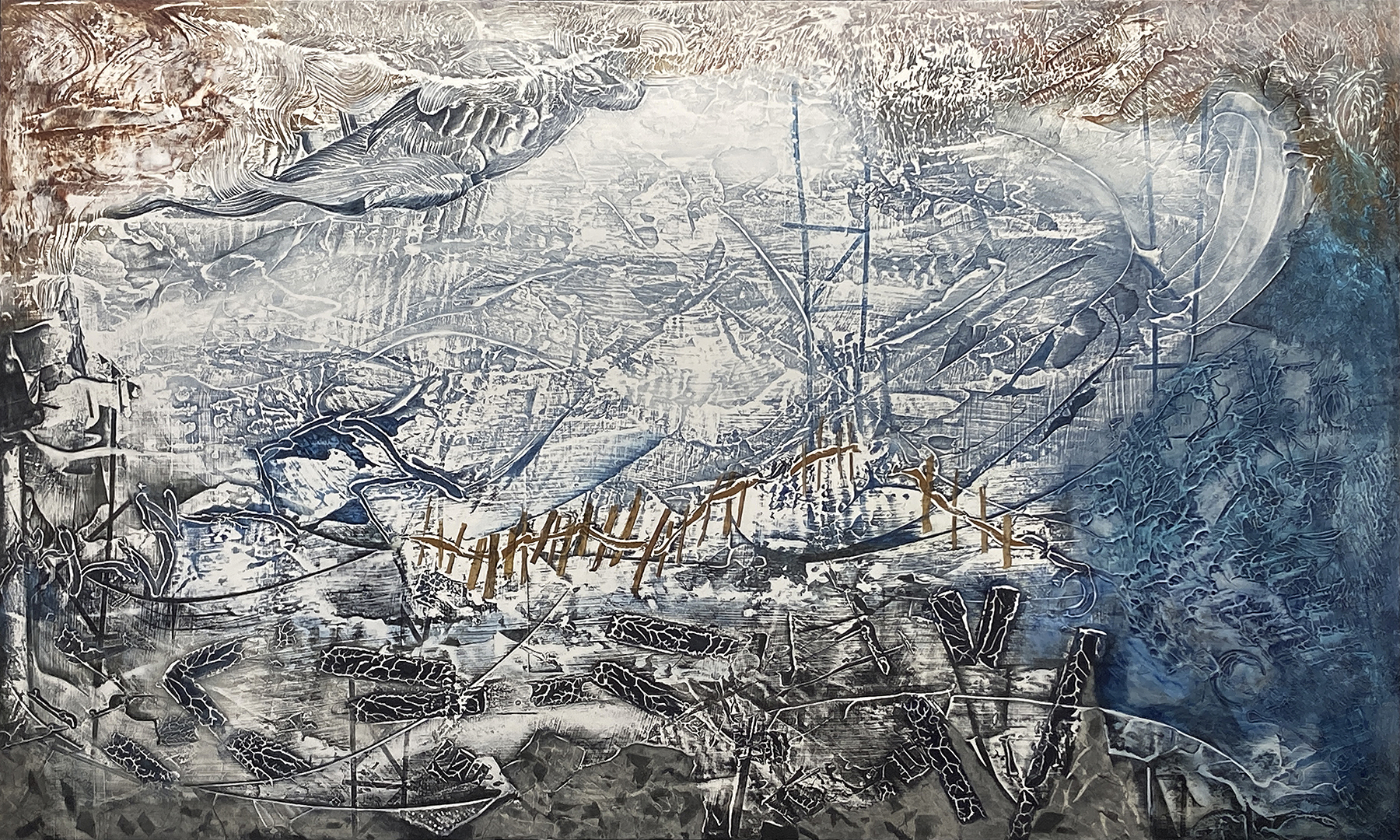
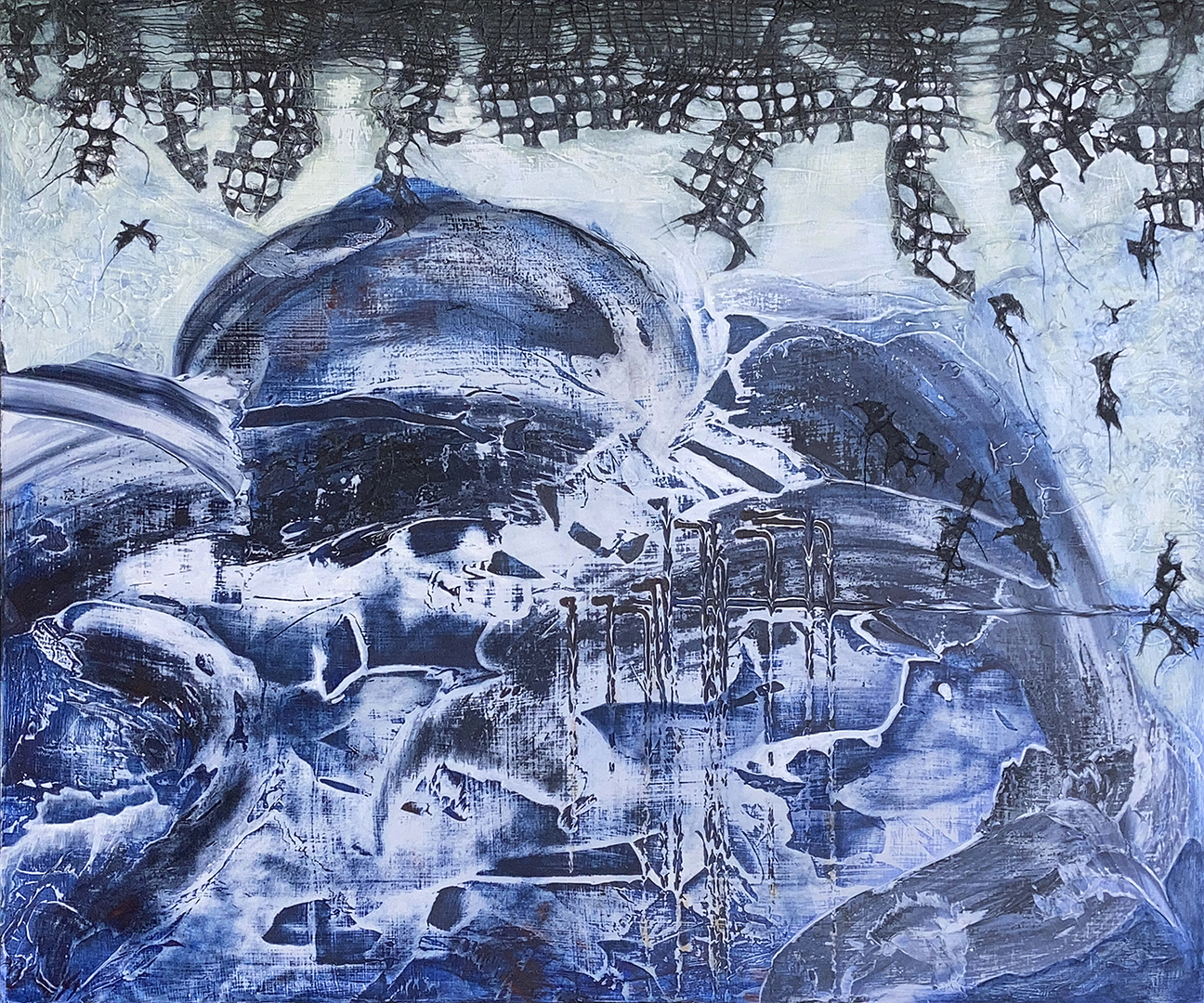
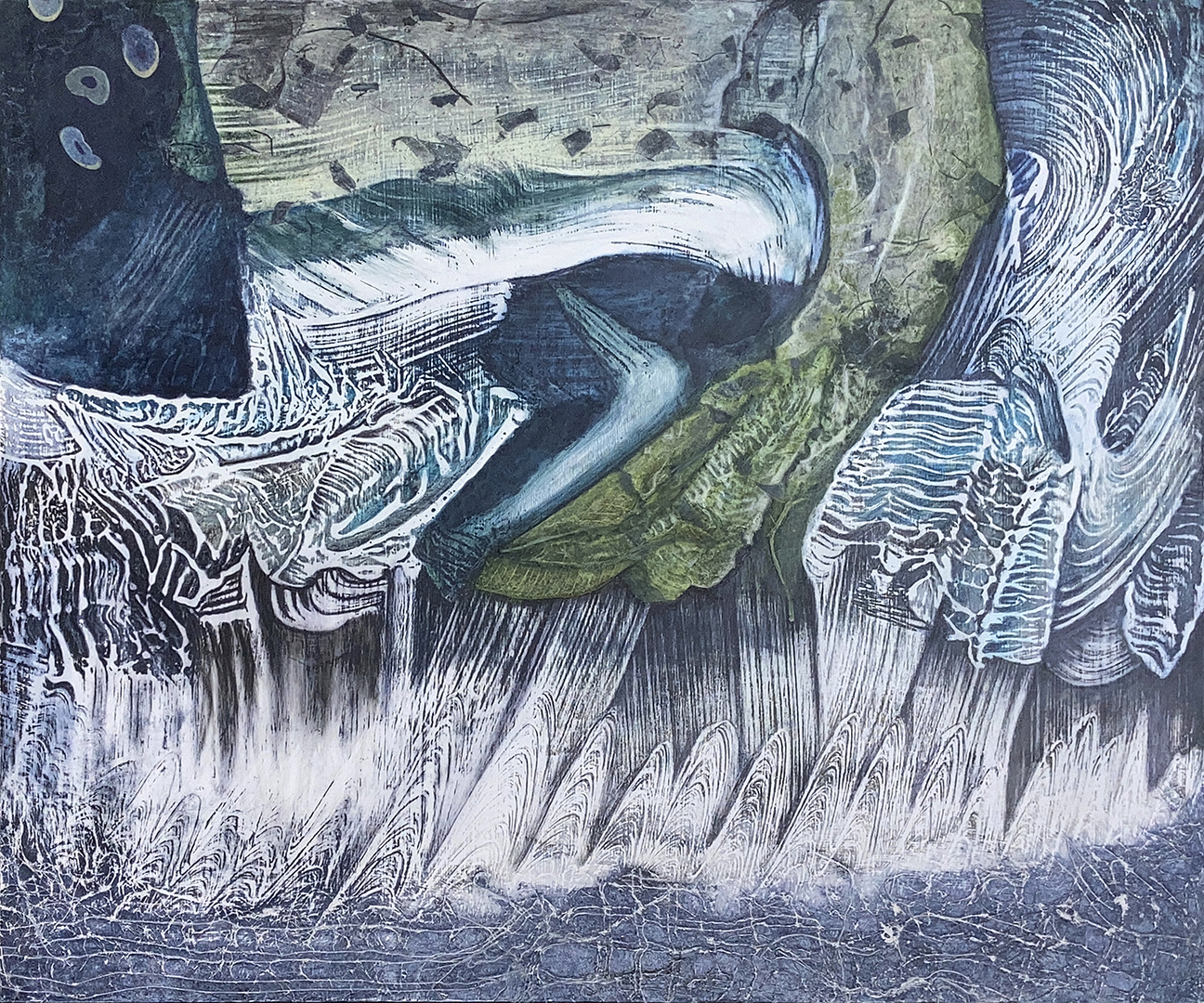
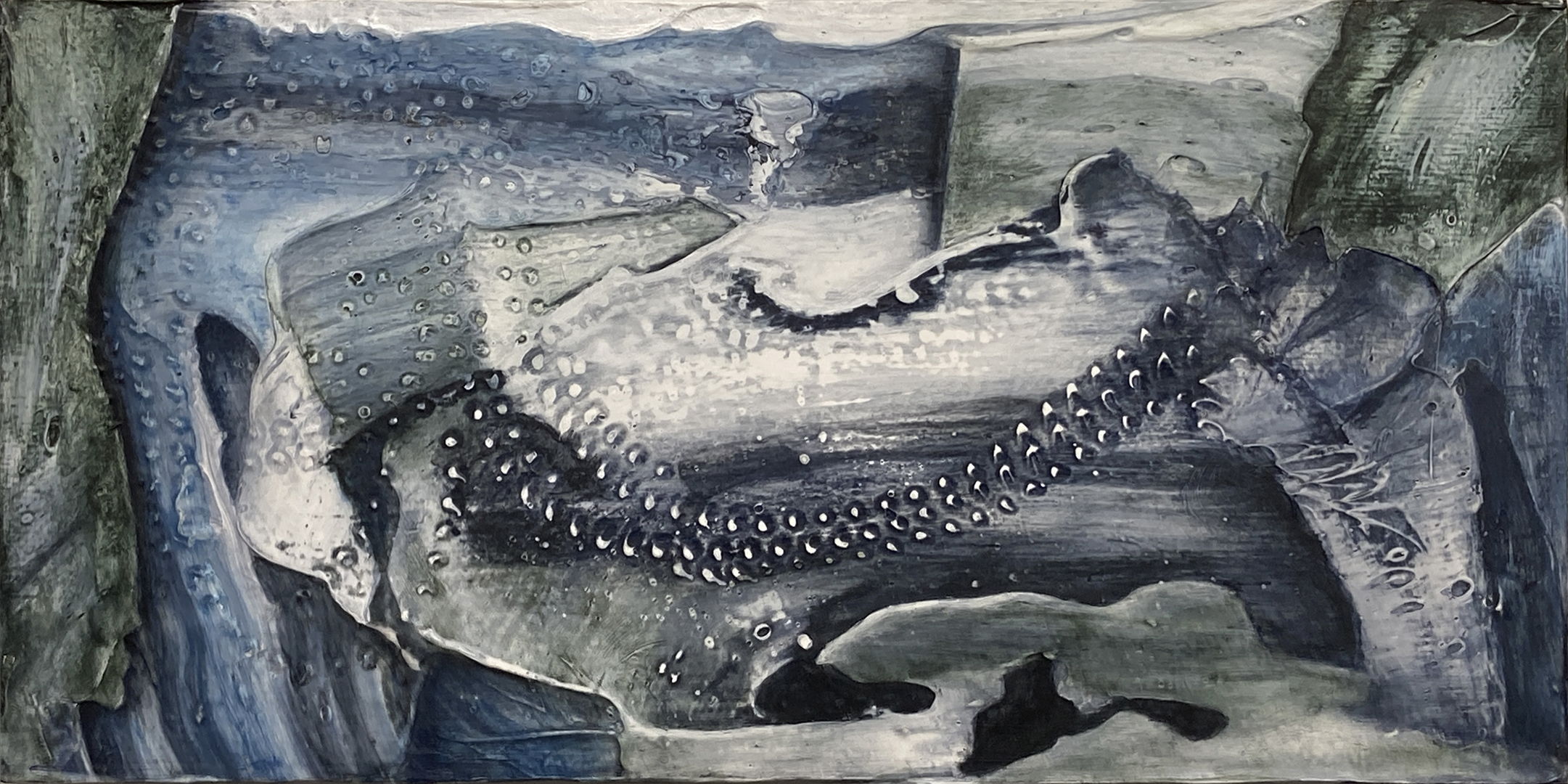
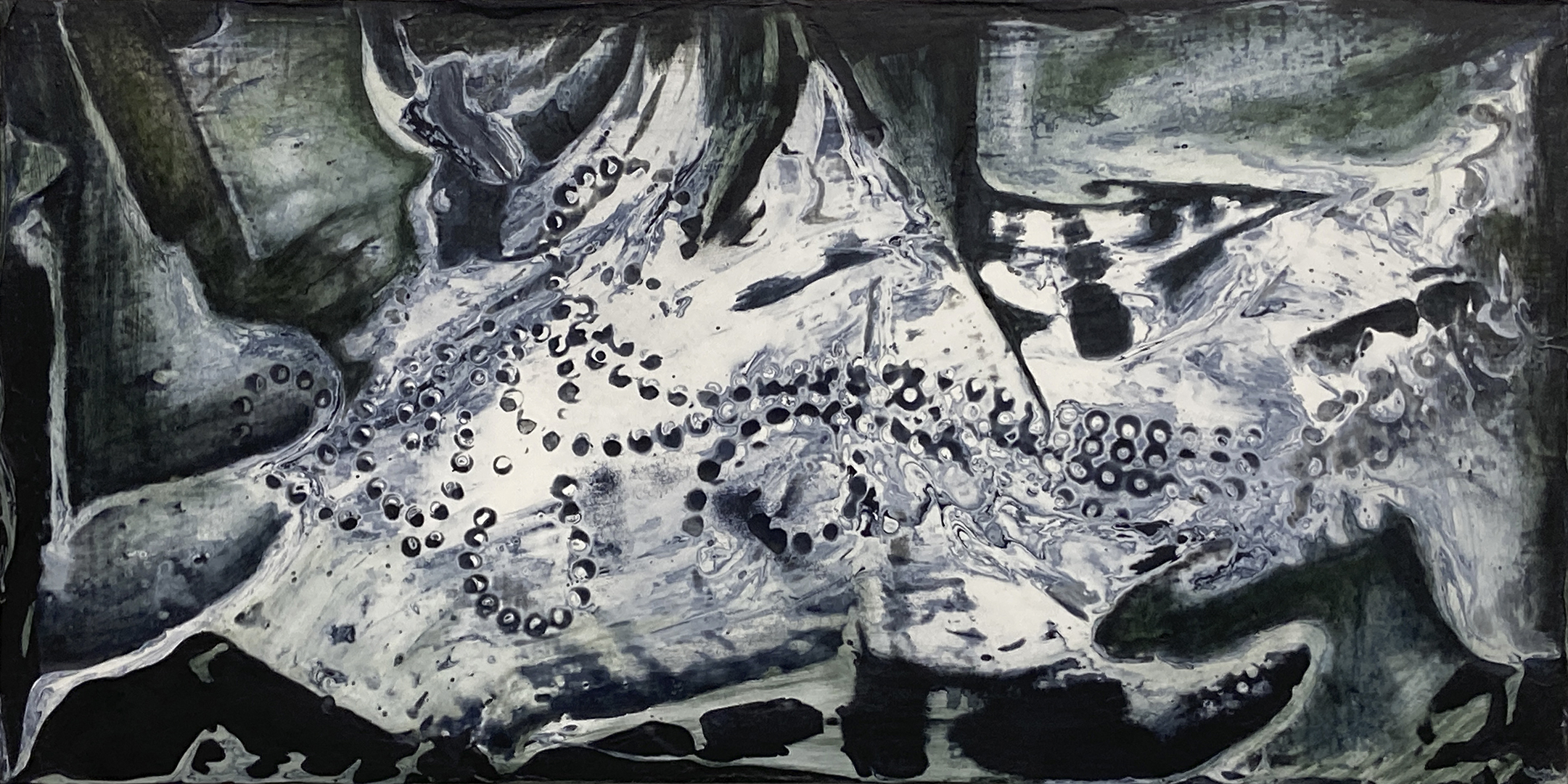
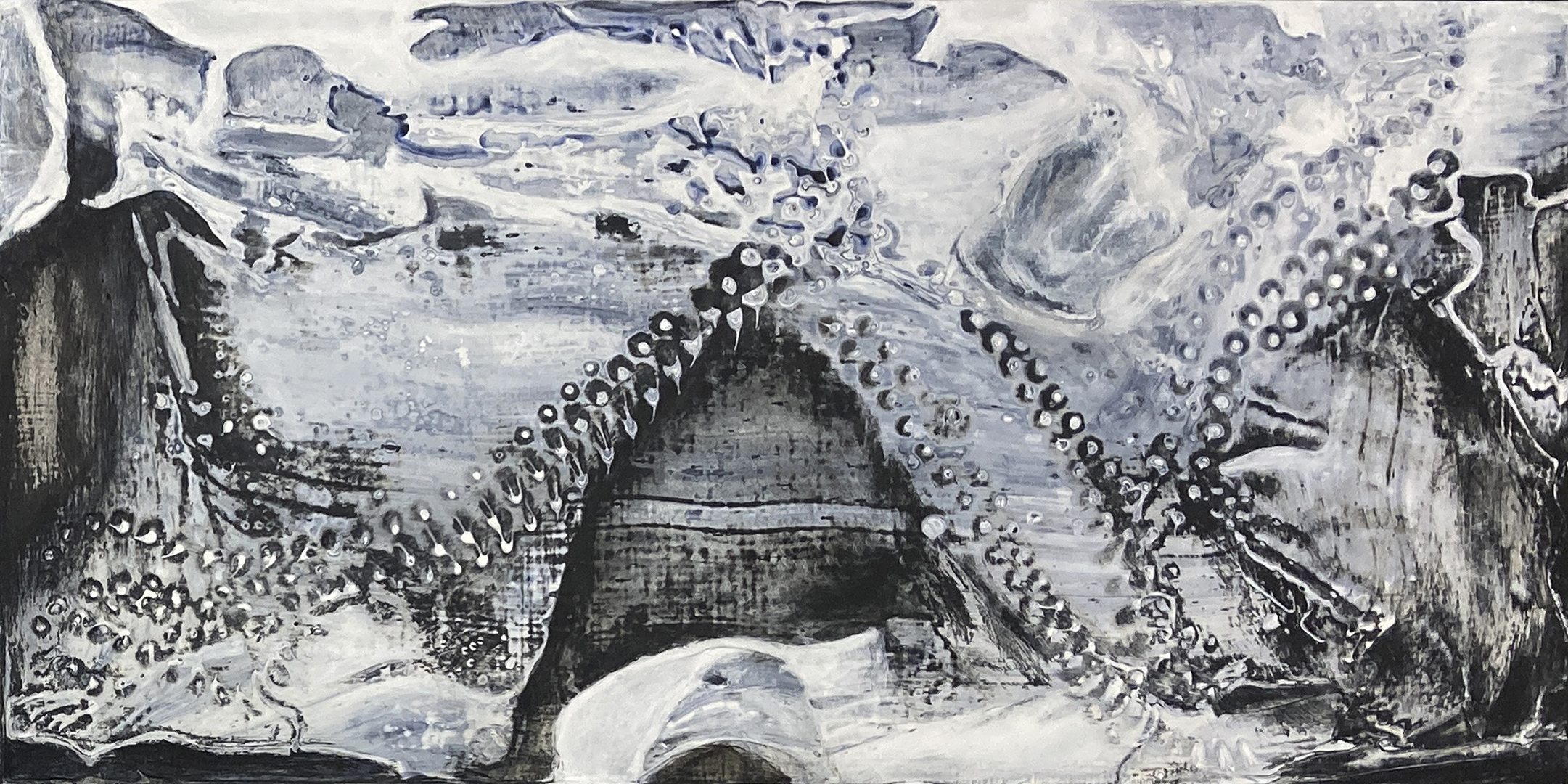
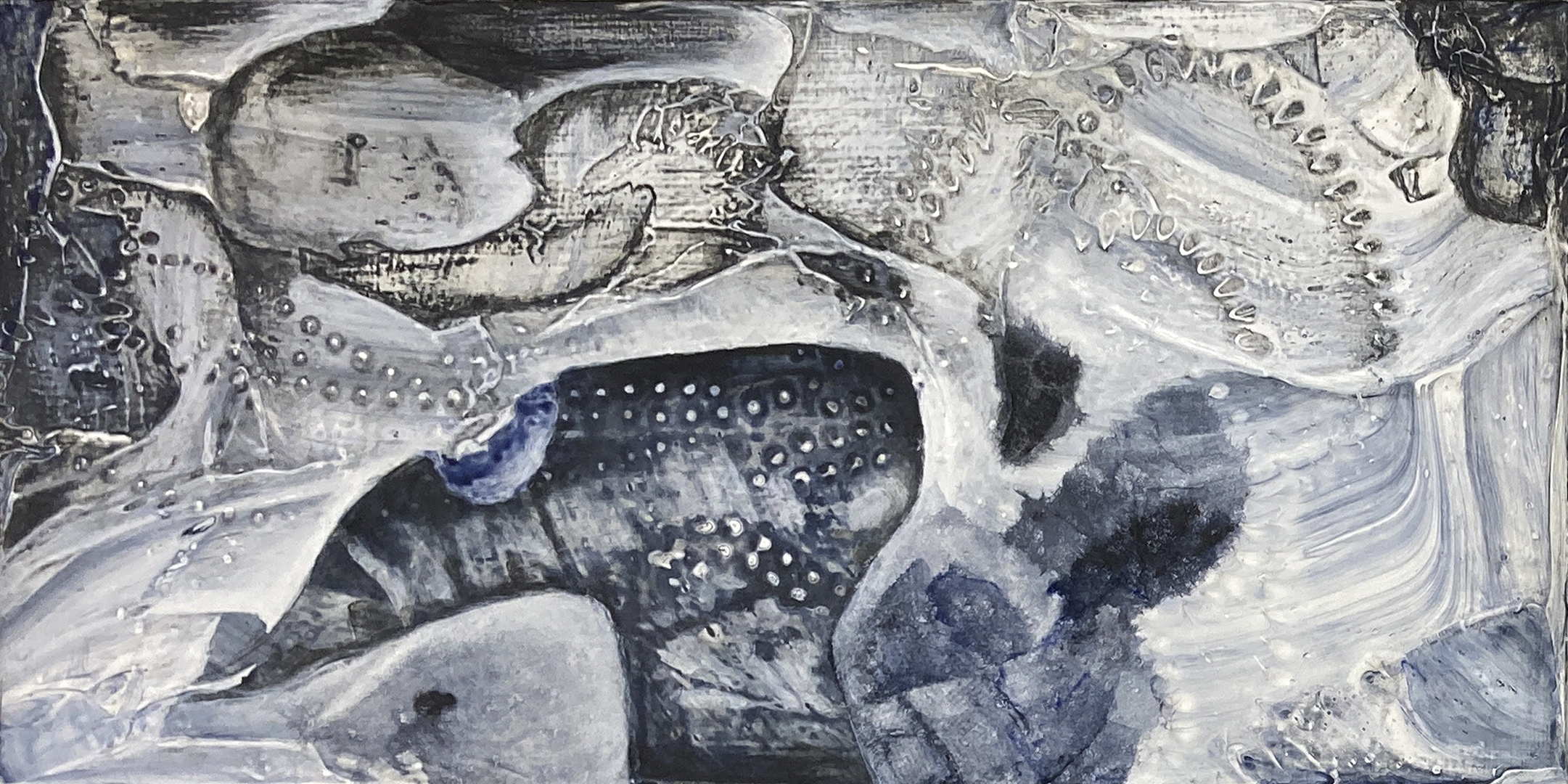
When I begin a painting, I have no composition, image, or subject in mind, no vision of what it will become. Like many painters, I start by covering my substrate (in my case, a wooden cradle panel) with thin layers of white gesso to seal the surface. Then I add a layer of thick gesso that will hold textures. I imprint it by slapping the viscous liquid with brushes or my hands, sometimes pressing objects into it and pulling to create a terrain of ridges and valleys in a relatively random pattern. Sometimes I use a hair dryer to accelerate the drying process which introduces cracks into the gesso—an important feature for me. When the gesso has dried, I examine the surface closely with my eyes and with my fingers to discover what chance has brought me. Many years ago, I had a teacher who was continually encouraging his students to: Respond! Respond! Respond! And this is what I do with my paintings. I become as present as possible with the gesso terrain. Then with my acrylic paints and my collection of handmade collage paper, I mix colours and rub paint onto the gesso to draw out the textures and to reveal the forms in the surface. Giving my full attention to the material in front of me, I follow the lead of whatever images emerge. These may be compelling relationships between colours, forms, or light and darkness that reveal themselves, or echoes of natural environments, people and creatures. As I notice various elements, I begin to highlight what I see, amplifying the direction I feel the image is taking, using watercolour pencils to accentuate three dimensional forms or to create a sense of depth. I use sandpaper to remove paint and texture, to reveal what is below or to add contrast. My work is essentially a form of palimpsest, engaging fully with what is already there on the surface so that the paint, paper, and watercolour overlays enable the beauty within the painting to resonate and be seen.
“The Earth Abides” integrates palimpsest in another way. With permission from another artist,
I have painted over one of her artworks: a city landscape. The straight, vertical structures that can be seen in my painting are remnants of her images coming through.
I’m not inclined to give artworks neutral titles (such as Whistler’s “Arrangement in Grey and Black No. 1”) but I also don’t wish to be too directive with titles that declare what the painting is about. As it happens, my husband Will Weigler is a theatre director and professional storyteller. When each painting is complete, I bring it home and ask him to draw on his broad knowledge of stories, myths, plays, poetry, and literature to find a title that might allude to the qualities we see, while remaining open enough for each viewer to find their own meaning when they encounter it. It was only after creating many paintings that I realized a thematic pattern was evident. Viewers have noticed a recurring quality in my work: a sense of a crossing into liminal landscapes, encountering challenges, and finding sources of resilience to meet them. When there is darkness or the unknown in the images, it always is matched by a spirit of adventure, excitement, and possibility.